Overview: Why Land and Power Planning Matters
A charcoal briquette production line is often judged by output and briquette quality, but the project usually succeeds or fails based on basic infrastructure: how much land you have and how much electrical power (and sometimes heat) you can supply reliably. Land determines whether you can arrange equipment in a safe, efficient flow—raw material storage to drying, carbonization, crushing, mixing, briquetting, and packaging—while power capacity determines whether motors can start under load, run continuously, and handle peak demand without tripping breakers or damaging equipment.
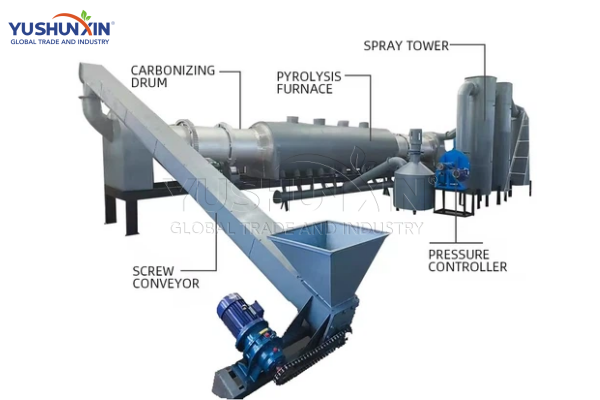
Land Requirements: More Than Just Machine Footprint
The machines themselves may fit into a modest workshop, but the full site needs extra space for storage, access, and safety buffers. You typically need areas for (1) raw biomass storage (sawdust, rice husk, coconut shell, etc.), (2) drying or pre-drying zones, (3) charcoal storage after carbonization, (4) finished briquette curing/drying and packaging, and (5) vehicle movement for loading and unloading. For small-to-medium lines, a compact layout is possible in a single building with organized storage bays, but higher output plants often benefit from separated zones to reduce dust, fire risk, and cross-contamination. In practice, land planning should include road width for trucks, turning radius, fire lanes, and space for future expansion—because many briquette plants outgrow their first layout.
Power Needs by Process Stage
Power demand comes mainly from rotating equipment: crushers, hammer mills, mixers, briquette presses, conveyors, fans, and packaging machines. The briquette press is usually the single biggest electrical load, and it may also create a peak starting current that requires a properly sized transformer or soft-starter/VFD. Drying can be electrical, but more commonly relies on biomass burners, charcoal fines, or waste heat; even then, the dryer still needs electricity for blowers and feeding. Dust collection systems can also be significant consumers, but they are critical for housekeeping and explosion risk reduction.
Typical Ranges and What Changes Them
A simple line producing a few hundred kilograms per hour might run on a relatively moderate connected load, while a multi-ton-per-hour line can require substantially more installed capacity to handle multiple presses and large fans. Moisture content is a major driver: wetter feedstock increases dryer size, fan power, and fuel/heat demand. Briquette shape and density targets also matter—high-density briquettes can require stronger presses and higher motor ratings. Automation level (more conveyors, sensors, bagging) increases electrical load but often reduces labor and improves consistency.
Practical Layout and Utility Tips
Plan the site so material flows in one direction with minimal re-handling, keep dusty operations isolated, and reserve a dedicated area for electrical panels and maintenance access. Add headroom for ducts and cyclone collectors, and ensure the floor can handle vibration and point loads. For power, design for peak demand, include overload protection, and consider a standby generator if outages are frequent—because interrupted pressing or drying can quickly turn into wasted batches and excess fines. Visiting: https://www.char-molder.com/product/charcoal-briquette-machine-price/
Leave a Reply