European demand for biochar and for verified carbon removal gives a carbonization project a revenue base that reaches beyond the charcoal trade, and you, as a project developer or as an industrial investor, evaluate that combination before committing capital. The biomass carbonization plant market trends in Europe show growing interest from agriculture, from soil remediation programmes and from companies that purchase removal certificates. A biomass carbonization plant that meets European documentation standards can therefore sell its product and its climate benefit at the same time.
Which demand drivers create the European market opportunity?
Soil amendment programmes in several member states pay for stable carbon that improves water retention and reduces fertiliser demand on farmland. Municipal green waste and agricultural residue face rising disposal costs, and that pressure pushes operators toward thermal conversion instead of composting. Voluntary removal markets attract corporate buyers who need long lived storage rather than short term offsets. Your market study maps these three demand groups by region, and that map shows where a carbonization plant earns the highest margin.
Which technical features match European buyer expectations?
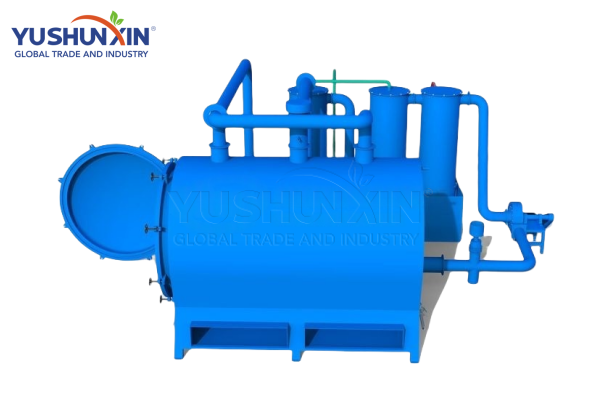
Continuous operation with stable temperature control produces a uniform char that laboratories certify without difficulty. A sealed discharge section keeps dust inside the system, and that design supports the workplace limits that European inspectors apply. The biomass charcoal production line that follows the furnace determines the final particle size, and buyers of agricultural biochar request a defined fraction. Your technical team therefore specifies the furnace, the cooling conveyor and the screening section as one process instead of three separate purchases.
How does carbon removal revenue change the business case?
A registered removal project converts each tonne of stored carbon into a certificate that a corporate buyer purchases, and that income improves the payback of the plant. Monitoring, sampling and verification create an annual cost, and your finance team includes that cost in the operating model. The EU Emissions Trading System influences the wider carbon price, and a rising price improves the competitiveness of durable removal. A European biomass char market opportunity analysis that separates product revenue from certificate revenue gives lenders a clearer picture of the project.
How do you enter the European market without overbuilding?
A first phase with one continuous line and a defined feedstock contract limits the capital exposure of a new entrant. Your team selects the site near the biomass source, because transport of low density material erodes the margin of the plant. A biomass carbonization plant investment case for Europe also reserves land and power for a second module, and that reservation allows growth without a new permit campaign. The commercial plan then signs letters of intent with agricultural buyers before commissioning starts.
Conclusion for project developers and industrial investors
Europe rewards carbonization projects that combine a secure feedstock, a certified product and a documented carbon balance. A European biochar equipment partner that supplies process data, emission control and operator training reduces the risk that a new plant misses its first year targets. Durable carbon storage also supports the climate commitments that European buyers publish, and that alignment keeps demand firm. If your development team needs a reference for capacity and product quality, you can learn more about https://www.char-molder.com/product/continuous-carbonization-furnace/ before the next investment committee meeting.