Keeping a syngas utilization system environmental compliance file means proving that every burner, every gas line and every stack stays inside the limit of the permit during the whole shift. You, as a plant environmental engineer or as a recycling company manager, examine the syngas utilization system environmental compliance against the local rule before the equipment order. The flue gas of the burner then becomes the stream that the monitoring plan covers.
Which emission limits apply to a syngas system?
The particulate limit, the nitrogen oxide limit and the carbon monoxide limit form the three standards that the permit lists for the burner. Emission limits for a syngas utilization system also cover the leak detection of the gas line, because an unburned release carries a safety and an environmental risk. You confirm the local limit with the authority before the order. The design then covers the full obligation.
How does the burner control the emissions?
A stable air-to-fuel ratio keeps the flame temperature inside the design window, and that stability reduces both the nitrogen oxide and the carbon monoxide. A compliance planning for syngas utilization review also examines the flame detection and the emergency shut-off, because those two devices protect the site during a fault. You test the burner at the minimum and the maximum load. The controller then holds the ratio during the shift.
How does the palm residue affect the compliance scope?
The palm charcoal syngas compliance case shows that the fuel composition changes the gas quality and therefore the burner setting. You analyse the gas from the local residue, and that analysis replaces the generic assumption. The permit file then reflects the real process. The plant avoids a late correction.
How does the plant document the result?
A monitoring plan with the sampling points, the frequency and the record format answers the questions of the inspector. You keep the operating log and the laboratory results in one file, because the auditor reconstructs the year from those sources. The plant that reports the emission per tonne demonstrates an improvement rather than a single reading. The authority then renews the permit with evidence.
Conclusion for plant environmental engineers and recycling companies
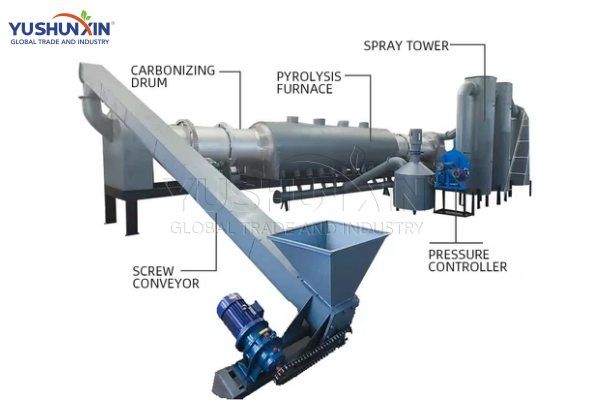
Compliance protects the licence and the licence protects the revenue, and the burner control plus the monitoring plan keep the syngas line inside its limits. A syngas compliance advisors team that supplies the source list, the burner tuning and the reporting template helps the plant meet its permit. The demand for char and for energy keeps the line valuable, and a compliant plant serves that demand for years. If your team needs a reference for the line configuration and the compliance scope, you can learn more about https://www.ysxcharpro.com/how-does-the-continuous-carbonization-furnaces-work/ before the next permit review. The same monitoring record also supports the annual environmental report of the site, and that report shows the community that the syngas line operates inside its limits during every month of the year. That record also shortens the next permit renewal, and the plant keeps the file on site.