A biomass carbonization plant solution earns profit from three streams: the char that the plant sells, the gate fee that it charges for the residue and the heat that it recovers for its own process. You, as a recycling company manager or as a project developer, examine the biomass carbonization plant solution against the local price of each stream before the equipment order. The plant that balances the three streams earns a margin even when one of them weakens.
Which revenue streams make a carbonization plant profitable?
The char reaches the soil amendment market, the fuel market and the filtration market, and each buyer accepts a different specification. A profitability of a biomass carbonization plant review prices each outlet with a local quotation, because a theoretical buyer does not pay the invoice. You also value the residue that the company receives, since the gate fee often covers part of the operating cost. The carbon removal market adds a fourth stream when the process documents the stable carbon.
How does the feedstock cost affect the profit?
A residue that arrives at low cost protects the margin, and a residue that competes with a power station raises it. A charcoal production line profitability study measures the transport distance of each supplier, because a long haul erases the advantage of a cheap material. You sign a supply agreement before the order, and that agreement fixes the volume that the plant needs. The seasonal pattern of the harvest then appears in the storage plan.
Which operating costs decide the margin?
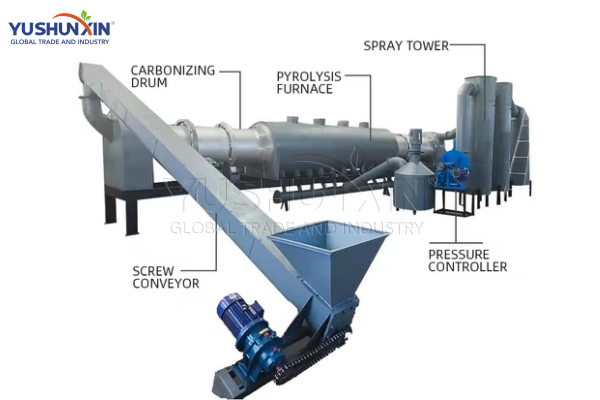
The fuel for the dryer, the electricity of the drives and the replacement of the wear parts form the recurring cost of the plant. A profit drivers for a carbonization solution analysis shows how much of the revenue each item consumes, and that ratio reveals the priority. You install a continuous reactor that returns the syngas to the burner, because that design removes part of the external fuel bill. The maintenance plan then protects the remaining margin.
How does the company measure profitability?
A monthly report with the revenue, the operating cost and the tonnage of char gives the manager a profit per tonne that is comparable across periods. You compare that figure with the business plan and with the previous quarter, and the comparison shows whether the plant performs as designed. The report also identifies the month in which a price change produced its effect. The manager then negotiates the next supply contract with measured data.
Conclusion for recycling companies and project developers
A carbonization plant becomes profitable when the revenue streams, the feedstock cost and the operating cost stay inside the plan, and the continuous design protects the margin. A carbonization profitability advisors team that supplies the revenue model, the cost data and the maintenance plan helps the company build a case that the bank accepts. The demand for char and for removal units keeps the market open, and a plant with a low unit cost serves that demand profitably. If your team needs a reference for the line configuration and the profitability scope, you can learn more about https://www.ysxcharpro.com/product/palm-charcoal-production-line/ before the next investment review.