Why a Small Sawdust Charcoal Briquette Plant Can Work
Small investors are often drawn to sawdust charcoal briquettes because the raw material can be inexpensive, locally available, and easy to store. In many regions, sawmills and woodworking shops produce steady volumes of sawdust that become a disposal problem. Turning that waste into briquettes creates a saleable fuel for cooking, heating, and small industrial users. The key is to start with a simple, reliable production flow and expand only after you confirm stable demand and consistent raw material supply.
Start with Raw Material and Product Decisions
Before buying equipment, confirm the quality and availability of sawdust. Ask suppliers about wood type, particle size, and moisture level, because these factors affect drying time and briquette strength. Next, decide what briquette you will sell: pillow-shaped briquettes, hexagonal logs, or shisha/hookah charcoal briquettes (which often require higher consistency and cleaner processing). Many small investors begin with a general-purpose barbecue or household fuel briquette and later upgrade to higher-margin specialty products.
Build a Simple, Scalable Production Line
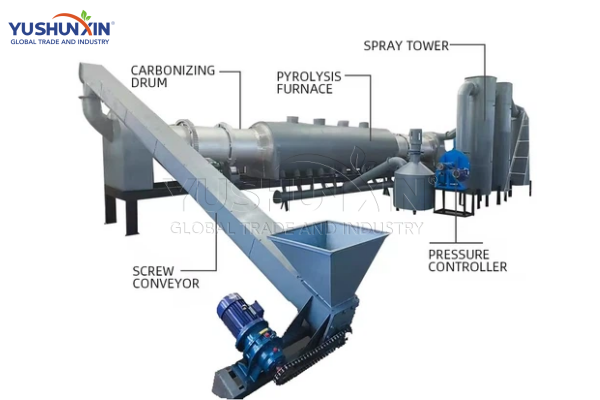
A basic small plant usually needs a drying step, a crusher or grinder (if the material is uneven), a mixer for binder, a briquette press, and a drying/curing area. Some investors reduce initial spending by using natural sun-drying when the climate allows, then adding a mechanical dryer later to stabilize output. If you are producing true charcoal briquettes, you must also plan for carbonization—either by purchasing charcoal fines from existing producers or by installing a small carbonizer/kiln once sales are proven. Starting with purchased charcoal can lower early complexity and make quality control easier.
Control Costs Without Cutting Quality
The most common mistake is buying only a briquette machine and ignoring moisture control, dust management, and screening. Briquettes that crack, smoke excessively, or crumble in transport will damage your reputation fast. Even in a modest setup, invest in basic testing tools (moisture meter, simple scale, packaging that protects from humidity) and standard operating procedures for mixing ratios. If you use a binder such as starch, test several recipes to balance cost, strength, and burn time.
Sales Channels and Daily Operations
Small plants succeed when they secure repeat buyers: local fuel shops, barbecue restaurants, wholesalers, and community cooperatives. Packaging matters—selling in clean 2–5 kg bags can raise margins compared with bulk sacks. Operationally, plan for steady labor, routine maintenance, and safe storage of dry materials. Keep records of raw material input versus finished output so you can spot losses and improve efficiency.
Grow in Phases
Once you have consistent orders, expand by adding conveyors, a better dryer, or automated packaging. Scaling in phases reduces risk and helps small investors turn a practical workshop line into a profitable, dependable briquette business. Visiting: https://www.char-molder.com/product/sawdust-briquette-charcoal-making-machine/
Leave a Reply