Business Concept: What an Automatic Briquette Line Does
A charcoal briquette manufacturing business plan built around an automatic production line focuses on turning charcoal fines or biomass-derived char into standardized briquettes at scale. An automatic line typically integrates feeding, crushing/sieving, mixing, briquetting, drying, and packaging with minimal manual handling. The core advantage is consistency: stable density, controlled moisture, and repeatable shape, which makes it easier to sell to wholesalers, retailers, BBQ brands, and—where regulations allow—shisha/hookah distributors. Your plan should clearly define whether you will produce “charcoal briquettes” (from charcoal fines + binder) or “carbonized briquettes” (briquettes made first, then carbonized), because the equipment, costs, and quality specs differ.
Product & Market Positioning: Who Will Buy and Why
A strong plan starts with target customers and product specifications. For BBQ and catering, buyers often want easy ignition, low smoke, and uniform size. For shisha markets, the priorities shift to long burn time, low odor, and very low ash. Packaging strategy matters: bulk 10–25 kg sacks suit wholesale, while branded 1–5 kg bags can lift margins but require printing, barcodes, and retail relationships. Include competitor pricing, local substitute fuels, and seasonal demand swings, then decide how you will differentiate—quality certification, moisture guarantees, private-label packaging, or reliable weekly delivery.
Automatic Line Layout: Key Equipment Modules
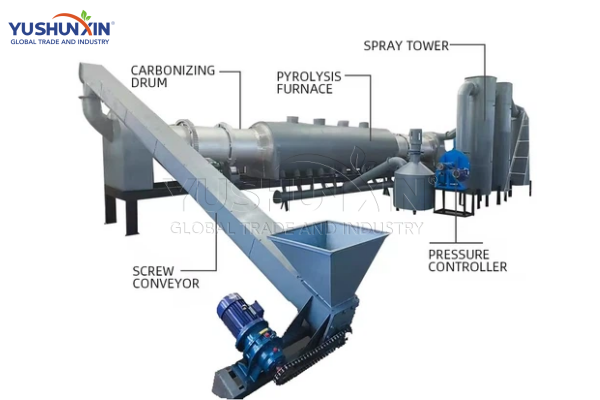
Most automatic lines include a raw material hopper and conveyor, crusher and vibrating screen, mixer for binder/water, briquette press (often roller press or extrusion type), dryer (mesh belt or rotary), and cooling plus bagging. If you start from raw biomass (like sawdust or rice husk), add carbonization (kiln or continuous carbonizer) and gas/heat recovery to reduce fuel costs. Your plan should specify line capacity (e.g., tons/day), power requirements, footprint, and staffing per shift, along with maintenance intervals and critical spare parts.
Operations Plan: Inputs, Quality Control, and Staffing
Profitability depends on controlling moisture, particle size, and binder ratio. Outline your SOPs: incoming charcoal fines inspection, moisture testing, sieving standards, briquette density checks, and drying targets before packing. Automatic lines reduce labor, but you still need operators, a mechanic/electrician, quality control, and a warehouse/logistics role. Include safety measures for dust control, fire prevention, and storage rules for finished briquettes.
Financial & Implementation Plan: Budget, Timeline, and Risk
Your business plan should break costs into CAPEX (automatic line, civil works, electrical installation, carbonization if needed) and OPEX (feedstock, binder, electricity/fuel, labor, packaging, transport, downtime). Add a realistic commissioning timeline—procurement, installation, trial runs, and market rollout. Finally, list risks and mitigations: feedstock supply contracts, backup power, spare-part inventory, and multiple sales channels to avoid dependence on one buyer. Visiting: https://www.char-molder.com/product/charcoal-briquette-machine-price/
Leave a Reply