Introduction to Carbonization Furnaces
Carbonization is an essential process in transforming organic materials into charcoal, which is widely used as a fuel source, in metallurgy, and in various industrial applications. The choice of a carbonization furnace can significantly impact the efficiency, output, and environmental footprint of the production process. Understanding the different types of carbonization furnaces is crucial for anyone looking to enter this industry. This passage explores three main types of carbonization furnaces: continuous carbonization machines, hoisting carbonization furnaces, and horizontal carbonization machines.
Continuous Carbonization Machines
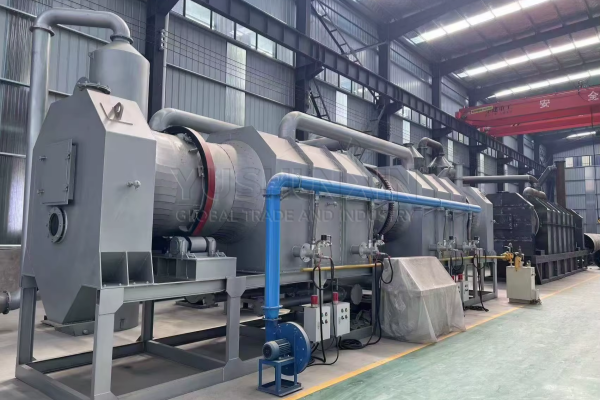
Continuous carbonization machines represent a modern evolution in charcoal production technology. These machines are designed for large-scale operations, providing a constant output of charcoal through an automated, streamlined process.
- Operational Efficiency
Continuous carbonization machines are known for their high efficiency and capacity, making them ideal for industries requiring a steady supply of charcoal. They operate with minimal human intervention, significantly reducing labor costs and human error.
- Environmental Considerations
These machines are typically equipped with advanced emission control systems that capture and recycle the gases produced during carbonization. This feature not only reduces environmental pollution but also allows for the reuse of these gases as an energy source, improving overall process sustainability.
Hoisting Carbonization Furnaces
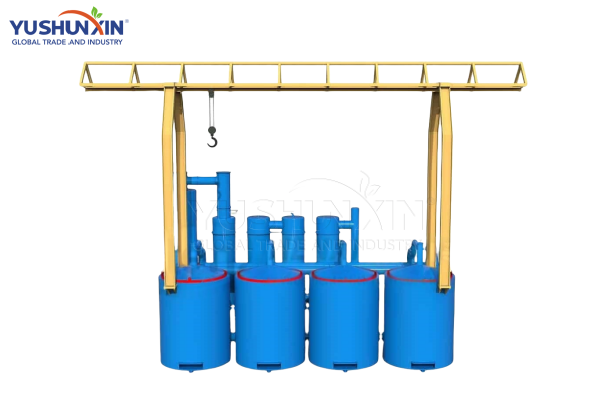
Hoisting carbonization furnaces are designed for batch processing and are often used in medium-scale operations.
- Batch Processing Advantage
The primary feature of hoisting carbonization furnaces is their ability to process materials in batches. This allows for greater flexibility in production, as different batches can be processed with varying parameters according to specific needs.
- Loading and Unloading Mechanism
These furnaces employ a hoisting mechanism that facilitates the loading and unloading of feedstock. This system reduces the manual labor involved and ensures safer handling of materials. However, the batch nature of these furnaces can lead to longer downtimes compared to continuous systems.
Horizontal Carbonization Machines
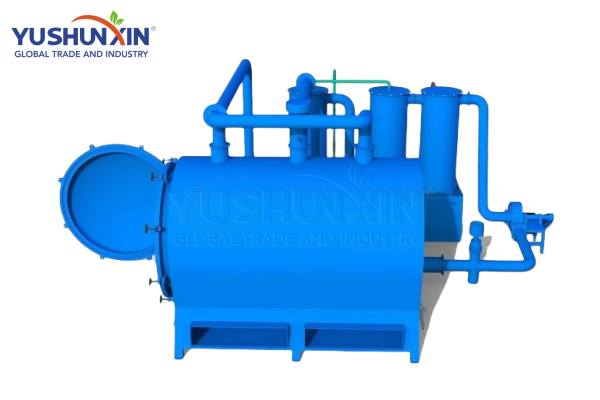
Horizontal carbonization machines are versatile and can be adapted for both small and medium-scale production.
- Design and Structure
As the name suggests, these machines have a horizontal design, which provides uniform heat distribution and efficient carbonization. The structure allows for easy maintenance and cleaning, enhancing operational longevity.
- Adaptability and Cost
Horizontal carbonization machines are often seen as a cost-effective solution for those starting in the charcoal production industry. They offer a balance between efficiency and investment, making them accessible to a wider range of businesses.
Conclusion
Selecting the right type of carbonization furnace is crucial for optimizing charcoal production. Each type—continuous, hoisting, and horizontal—offers unique advantages and is suited to different scales and styles of operation. Continuous carbonization machines are ideal for large-scale, environmentally conscious operations, while hoisting furnaces offer batch flexibility for medium-scale producers. Horizontal carbonization machines provide a cost-effective and adaptable solution for smaller enterprises. By understanding the specific features and benefits of each type, businesses can make informed decisions that align with their production goals and sustainability objectives.
Leave a Reply