Introduction to Charcoal Powder Production
Charcoal briquettes are a popular and efficient fuel source used for grilling, heating, and industrial applications. The key to producing high-quality briquettes lies in grinding charcoal into a fine powder. This process not only enhances the binding properties of the charcoal but also ensures optimal combustion. In this article, we will explore the steps and equipment required to efficiently grind charcoal into fine powder for briquette production.
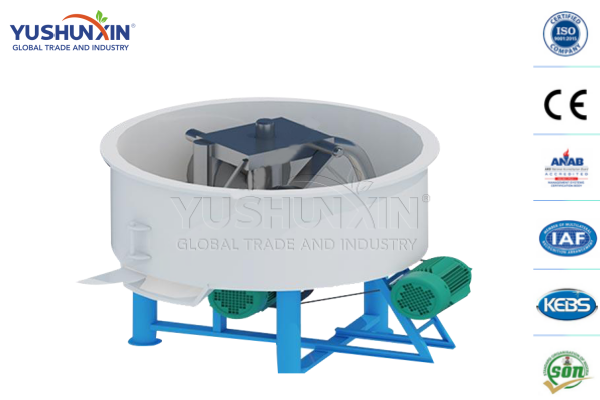
Preparation and Safety Measures
Before beginning the grinding process, it is crucial to take necessary safety precautions. Charcoal dust is flammable, and appropriate measures must be taken to prevent dust accumulation and potential explosions. Operators should wear protective gear, including masks and gloves, to minimize exposure to dust and avoid respiratory issues. Proper ventilation in the grinding area is also essential to ensure a safe working environment.
Initial Crushing: Breaking Down the Charcoal
The first step in grinding charcoal is to crush the large pieces into smaller fragments. This can be achieved using a hammer mill or a crusher. These machines are designed to handle the hardness of charcoal, efficiently breaking it down into manageable sizes. The crushed charcoal is then ready for further grinding to achieve the desired fine powder consistency. And in this process, you can add some binders, such as water, starch, etc.
Grinding Machines: Achieving the Perfect Consistency
The core of the charcoal grinding process involves reducing the crushed charcoal into a fine powder. Various types of grinding machines can be utilized, including ball mills, roller mills, and impact mills. Each machine offers different grinding mechanisms, but all aim to achieve a uniform, fine powder. For large-scale production, a ball mill is often preferred due to its capability to handle high volumes and its ability to produce consistent results.
Sieving and Quality Control
Once the charcoal has been ground into a fine powder, it is essential to ensure uniformity in particle size. This is achieved through sieving, where the powder is passed through a series of mesh screens to separate larger particles from the fine powder. Quality control is critical at this stage, as the consistency of the powder directly affects the quality of the final briquette product. Fine-tuned sieving ensures that only the finest particles proceed to the charcoal briquette production line.
Environmental Considerations and Waste Management
Grinding charcoal into fine powder generates dust and waste that must be managed responsibly. Implementing dust collection systems and waste management protocols minimizes environmental impact and promotes sustainability. Recycling excess dust or incorporating it into other production processes can further enhance environmental responsibility.
Conclusion
Efficiently grinding charcoal into fine powder is a vital step in briquette production, influencing both the quality and performance of the final product. By utilizing the right equipment and adhering to safety and environmental standards, manufacturers can produce high-quality charcoal briquettes that meet market demands. As technology advances, more efficient grinding methods and machines will continue to emerge, supporting the growth and sustainability of the charcoal briquette industry. Visiting: https://www.char-molder.com/product/charcoal-grinder-machine/
Leave a Reply